

What Do Polarizing Filters Do
A polarizing filter is one of the well-nigh essential tools in a photographer'southward purse. It is typically the first filter landscape photographers purchase to instantly amend their pictures past adding vividness and contrast to them. Putting a polarizing filter on your lens is like wearing a pair of polarized sunglasses over your optics – the polarized glass blocks random lite waves from passing through, creating a clearer image. In this article, we will go through detailed data on polarizing filters, what they exercise, why they are important, and why you should consider using them for your photography needs.
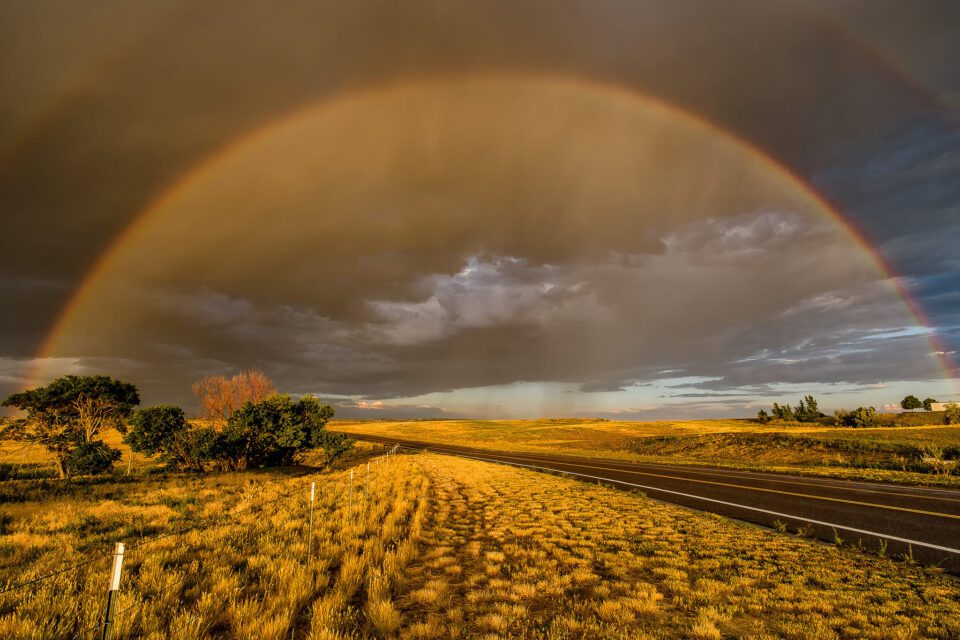
Fujifilm 10-E1 + Zeiss Touit 12mm f/ii.8 @ ISO 200, i/105, f/5.vi
What is a Polarizing Filter?
A polarizing filter, too known equally a "polarizer", is a photographic filter that is typically used in front of a camera lens in society to reduce reflections, reduce atmospheric haze and increase color saturation in images. It is a popular filter among landscape, cityscape and architecture photographers, although it is commonly used for other types of photography also.
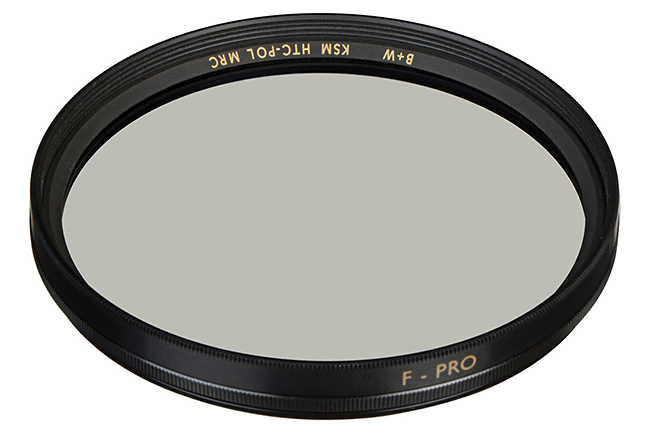
How Polarizing Filters Piece of work
The vast majority of our planet's temper is equanimous of gases that are invisible to the human being centre. Even so, a small portion of the atmosphere is made up of water vapor, pollutants, and other particulate matter. These elements vary in quantity depending on the weather condition, time of day, and location. Water vapor and pollutants contribute to haze, which decreases visibility over long distances, specially close to bodies of h2o. The haze nosotros see is a result of light waves hitting particles in the air, causing randomization. Even on a clear, sunny solar day, distant subjects can be obscured by brume. The best manner to cut through that haze is to use a polarizing filter.
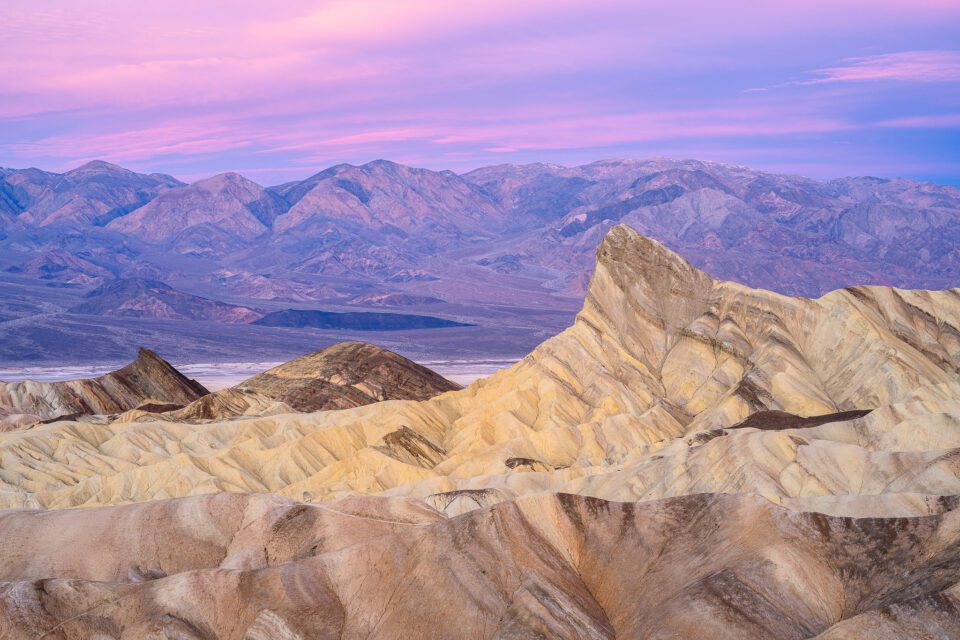
NIKON Z seven + 85mm f/ane.8 S @ 85mm, ISO 64, ane/v, f/five.vi
Just like atmospheric particles randomize low-cal, then practise reflective surfaces. Using a polarizing filter can increase color saturation in your images past reducing reflections from water, glass, leaves, and other not-metal surfaces. Additionally, using a polarizing filter helps you create deep blue skies in your images. Bluish calorie-free waves are shorter than carmine and green waves, causing them to besprinkle more than easily. Polarizing your view of the sky will prevent randomized blue light from coming into your lens, leaving you with the purest blue light possible.
Polarization can vary greatly depending on the celestial position of the lord's day, then it is important to empathise that both times of the solar day and the fourth dimension of the year can impact the amount of polarization ane can obtain from a polarizing filter.
When to Use a Polarizing Filter for Best Results
We put together a detailed guide on polarizing filters, which you can watch beneath:
Types of Polarizing Filters
In that location are two types of polarizing filters bachelor on the market place today: linear and circular. These types practise not refer to the shape of the polarizing filter, but rather to the way lightwaves are modified as they pass through the filter. Linear polarizers take a single polarizing layer and are known to cause mirrors to cantankerous-polarize on SLR and DSLR cameras, resulting in metering and autofocus issues. Circular polarizers (also known as "CPL"), on the other hand, accept a second quarter-wave layer that repolarizes the light, which makes it prophylactic to employ on whatever archetype or modern digital camera. The but downside of a circular polarizer is reduced light transmission when compared to a linear polarizer.
Due to the popularity of DSLR cameras, the demand for linear polarizers plummeted over time, causing filter manufacturers to concentrate on primarily making circular polarizers – from inexpensive, poorly-coated filters, to loftier-quality multi-coated circular polarizers with superb lite transmission qualities. Although linear polarizers are still available today and work just fine on modernistic mirrorless cameras, they are non recommended for use due to the unavailability of high-quality options.
Filter Shapes
Both linear and circular polarizers come in different shapes and forms. The most common shape of a polarizing filter is circular, which is designed to be screwed onto a filter thread of lenses that take them. Circular filters tin can be used on filter holders, as well as lenses with driblet-in filter holders. A circular polarizer is very easy to use. Once information technology is fastened to the front of the lens, it can exist rotated either clockwise or counter-clockwise to increment or decrease the effect of polarization.
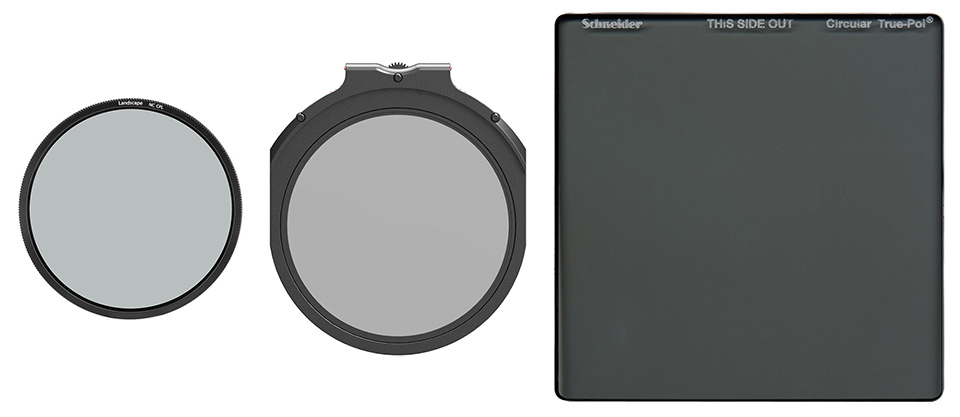
Y'all might also encounter rectangular polarizing filters. The original purpose of rectangular filters was for filter holder utilize. Such filters are becoming less mutual since many filter manufacturers have been able to change their filter holders to accommodate larger, round filters instead.
Lastly, some manufacturers might even sell drib-in polarizing filters that are specifically made to fit a particular type of filter holder. The one pictured above allows photographers to easily rotate the polarizing filter using the dial on its elevation.
The Importance of a Polarizing Filter in Mural Photography
Due to the fact that sunlight gets bounced all over the atmosphere and objects present in a landscape, eventually making its style into your camera at specific angles, your landscape photographs might end up looking rather dull and lifeless. Once attached to the front of a lens and rotated to a particular angle, a polarizing filter is capable of cutting out most of the reflected low-cal in a scene, instantly enhancing your photographs by increasing their color saturation and contrast.
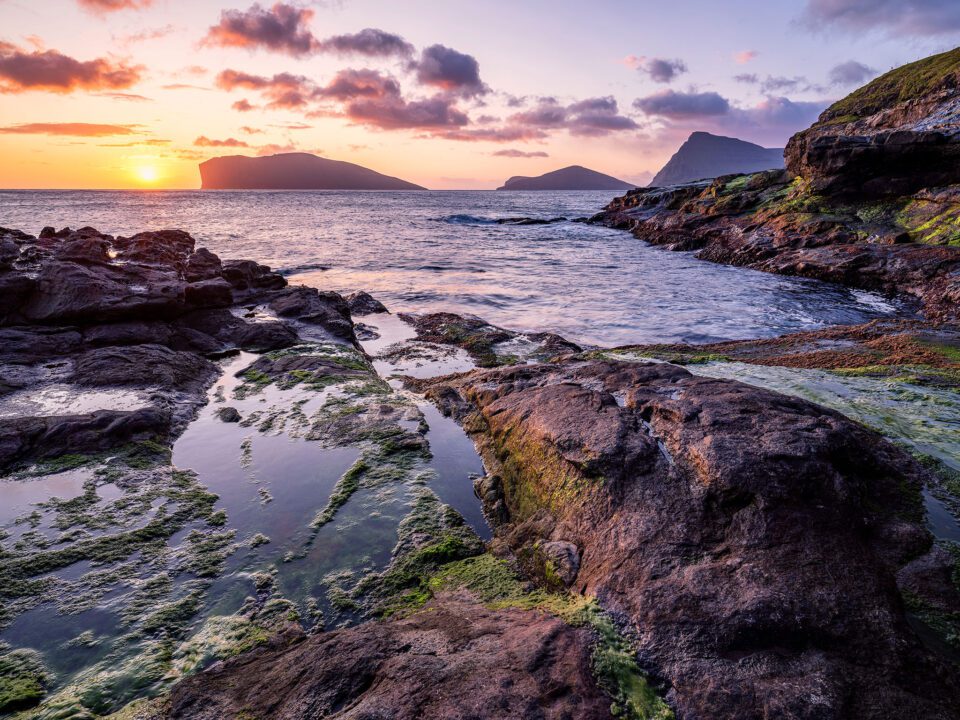
GFX 100 + GF23mmF4 R LM WR @ 23mm, ISO 100, ane/20, f/xvi.0
When photographing distant subjects such as mountains, a polarizing filter tin can also aid in reducing atmospheric haze, every bit explained farther downwardly beneath. And so if y'all are wondering how some photographers manage to get rich colors in their photographs, particularly when information technology comes to the sky, foliage, and afar subjects, you volition find that they often heavily rely on polarizing filters. Although color can certainly be added to photographs in post-processing, the effect of a polarizing filter cannot be fully replicated in software, especially when it comes to reducing reflections and haze in a scene, making the filter indispensable for landscape photography.
Maximum Degree of Polarization
The maximum degree of polarization occurs in a circular band 90° from the sun, so it is relatively easy to pinpoint exactly where the sky volition announced at its darkest in your photographs. A simple play a joke on is to form a pistol with your index and thumb fingers, then signal your index finger straight at the sun. Now rotate your pollex clockwise or counter-clockwise (while keeping your index finger directed at the dominicus). The parts of the sky where your thumb points towards are going to accept the maximum degree of polarization, as they are at the right bending from the dominicus. This means that when the lord's day is directly overhead close to the zenith, the sky will exist polarized horizontally, making the heaven announced more or less even in all directions. Take a look at the below photograph taken at high noon:
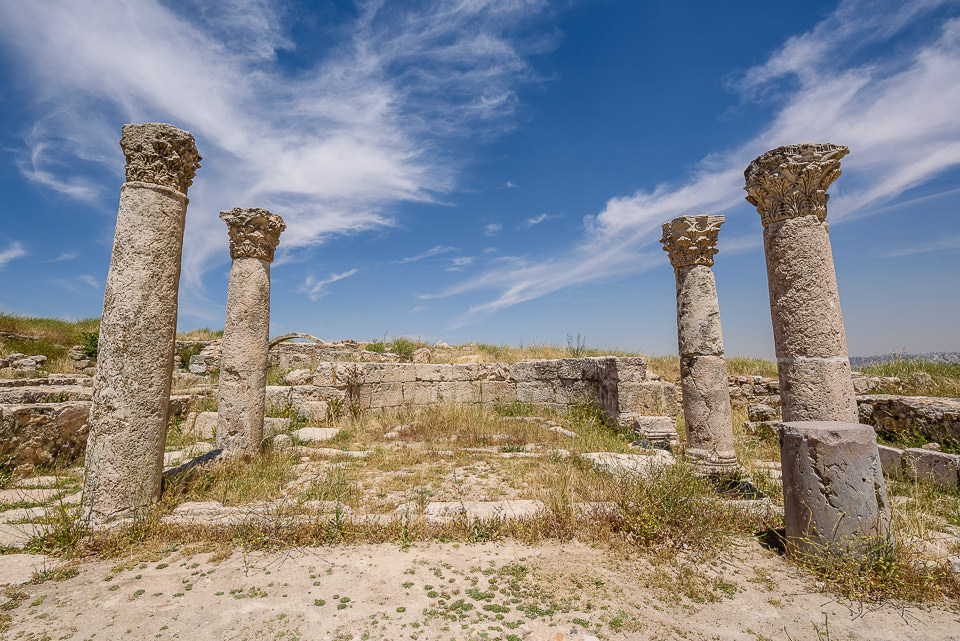
NIKON D750 + fifteen-30mm f/2.8 @ 15mm, ISO 100, i/250, f/11.0
On the other hand, when the sun is closer to the horizon at sunrise and dusk times, the sky will be polarized mostly vertically. This can present problems when photographing landscapes with a wide-bending lens, since the more polarized areas of the sky will be visible in the frame, as shown below:
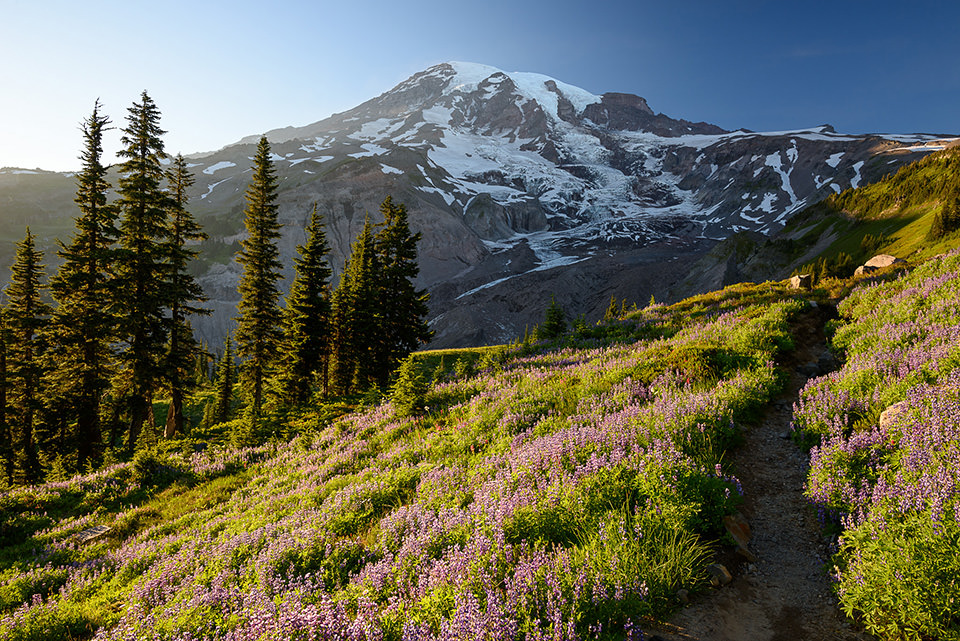
NIKON D810 + 20mm f/1.8 @ 20mm, ISO 100, 1/10, f/11.0
With the sunday rising from the left of the frame, it is very clear that the correct side of the sky in the prototype to a higher place is where the maximum degree of polarization is, making that particular office of the sky much darker compared to the left. Such situations are commonly encountered when photographing landscapes at the golden 60 minutes, then one must be careful when using a polarizing filter, especially when shooting with a broad-angle lens. In some cases, it might exist helpful to switch to a telephoto lens and concentrate on a much smaller area of the scene, effectively concealing the uneven sky.
Here is a more extreme example of the same problem appearing at dusk:
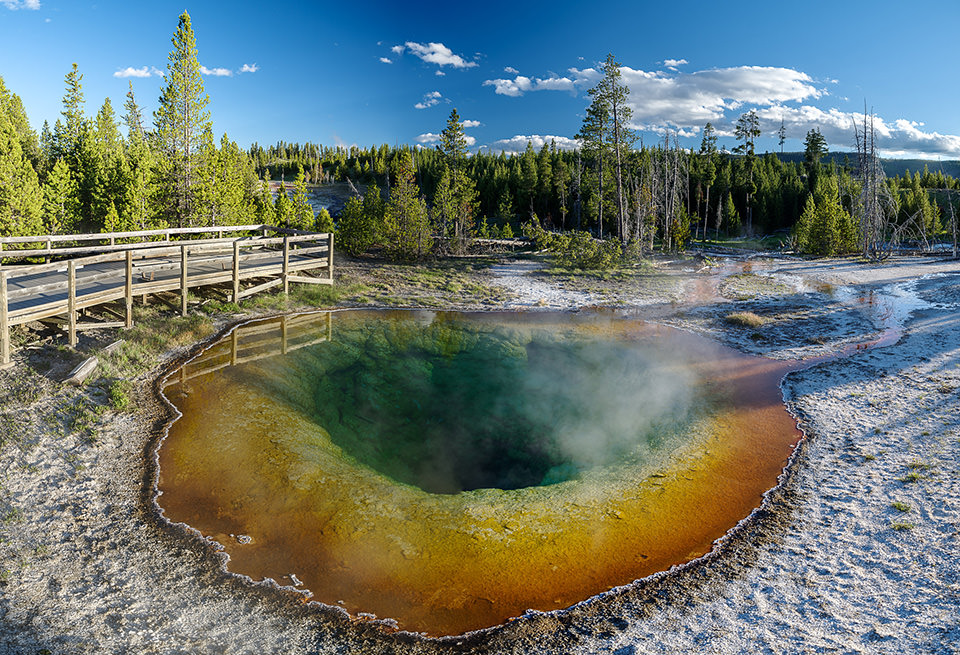
PENTAX K-1 + 24-70mm f/two.8 @ 24mm, ISO 200, ane/125, f/iv.5
Due to my proximity to the Morning Glory hot spring in Yellowstone National Park and lack of an ultra broad-angle lens, I had to shoot a panorama at 24mm focal length, composed of several vertical frames. In one case the panorama was stitched in Lightroom, the problem with the polarization in the sky became very credible. Here, one can clearly run across that the center of the sky is where the maximum caste of polarization is – both left and right sides of the frame look much brighter in comparison. This is considering the lord's day was setting on the right side of the frame, which means that the darkest part of the sky would have been vertical, as seen here.
Slope skies tin can be very hard to deal with in post-processing, and so one must be very careful when using polarizing filters close to sunrise and sunset times, particularly when using wide-bending lenses. In many cases, reducing the amount of sky captured in a scene and rotating the polarizing filter to lighten its effect can exist effective, as seen beneath. However, in some cases where re-framing is not desired, information technology might be amend to remove the polarizing filter completely to avert capturing gradient skies.
Handling of Unnaturally Nighttime Sky
When your camera is pointed towards the part of the sky that has the maximum degree of polarization and the circular polarizing filter is at its strongest point, the heaven might appear unnaturally nighttime in images, making it look very fake. In such situations, rotating the filter further and thus reducing the event of the polarizing filter can take care of the trouble, creating not only a brighter sky but too addressing the potential of having a gradient sky in the photograph. Have a look at the two images below:
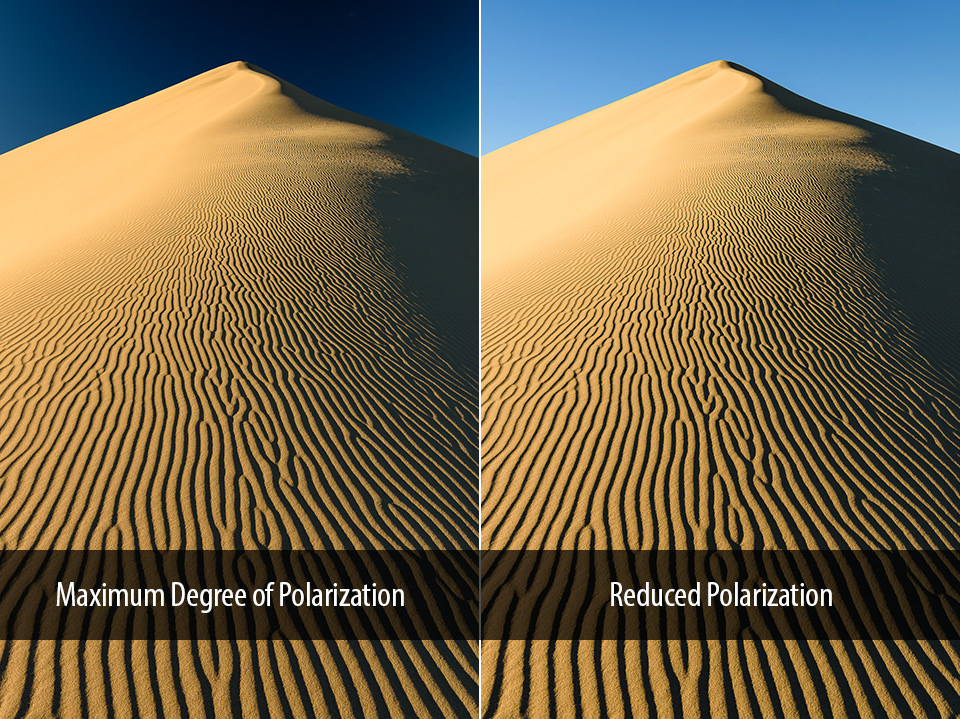
I captured the first epitome with the polarizing filter rotated to yield the maximum polarizing effect, which unnaturally darkened the sky and made it appear uneven. To take intendance of the problem, all I had to do was rotate the filter until the sky returned to a much brighter country. Every bit you can meet, the photograph on the right looks much amend in comparison, and with just a single turn, I was able to address the issue without having to remove the filter.
Reflection Reduction
Ane of the main reasons why photographers utilize polarizing filters is to reduce reflections in a scene. Reflections are everywhere around united states of america and they are very common in nature. Aside from common water reflections originating from ponds and lakes, nosotros might exist dealing with window reflections or perchance even tiny reflections of light bouncing off vegetation or rocks surrounding waterfalls. In such situations, using a polarizing filter can assist dramatically reduce reflections, fifty-fifty potentially adding contrast and saturation to the image. Take a look at the epitome below:

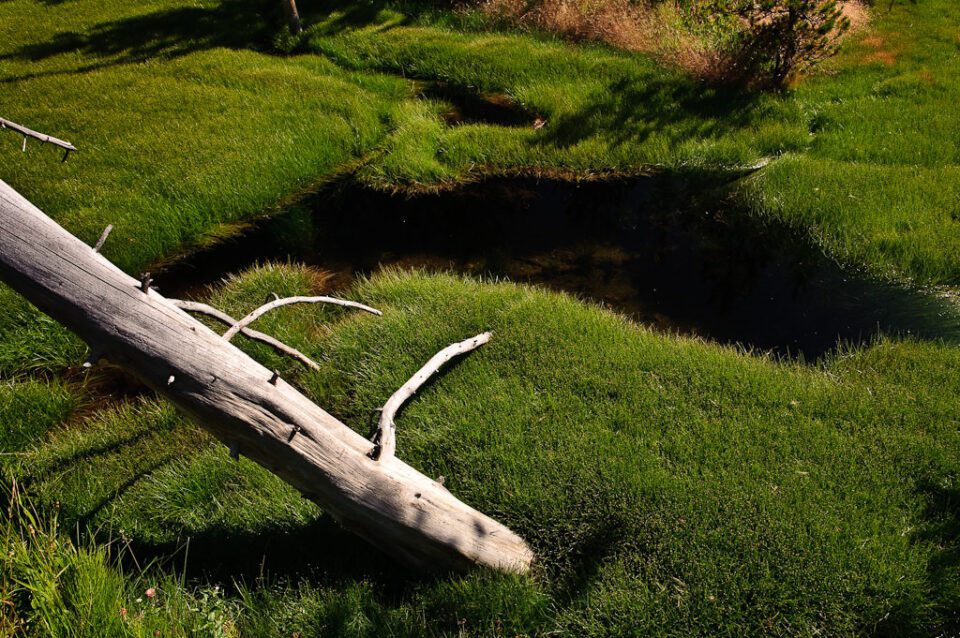
Every bit you tin see, the pond was reflecting the sky and the trees in the groundwork into my camera. By using a polarizing filter, I was not just able to cut downwards about of the reflections from the pond, simply also reduce the micro reflections coming from the surrounding grass the scene, which changed the appearance and the color of the glass in the resulting photograph. Such furnishings can never be replicated in post-processing software.
Brume and Contrast Reduction
Ane of the chief reasons why I personally take a polarizing filter everywhere I go is because I oftentimes rely on it to reduce haze in my images. Haze is something we landscape photographers accept to bargain with very frequently, so being able to use a polarizing filter in such situations helps quite a scrap during postal service-processing since nosotros can take it 1 step farther and reduce haze even more through various "dehaze" and dissimilarity aligning tools in the software. Some haze is relatively easy to deal with in mail service, merely when in that location is a lot of information technology, a circular polarizing filter tin definitely help. Have a look at the below image comparison:
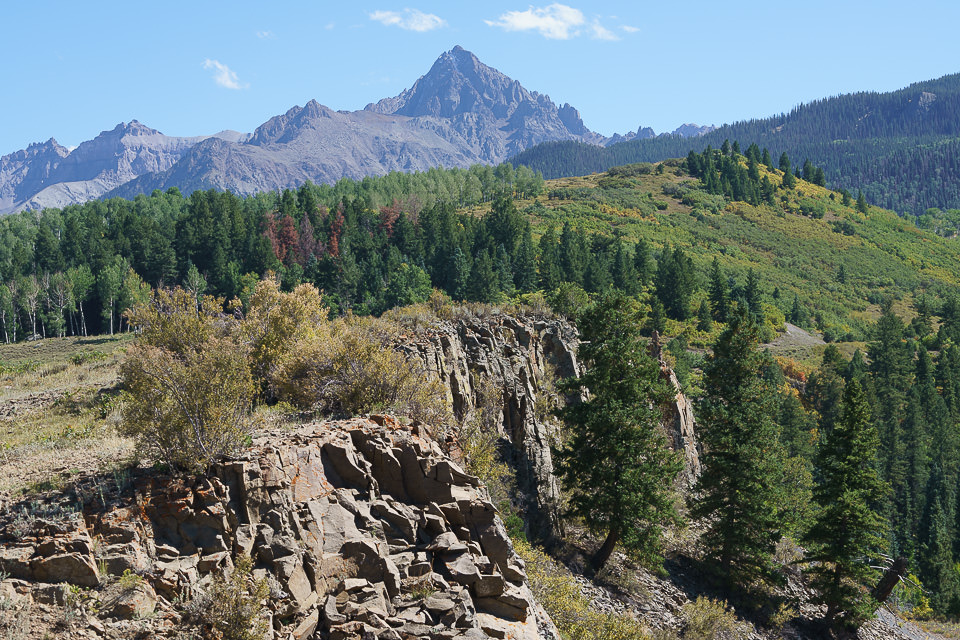
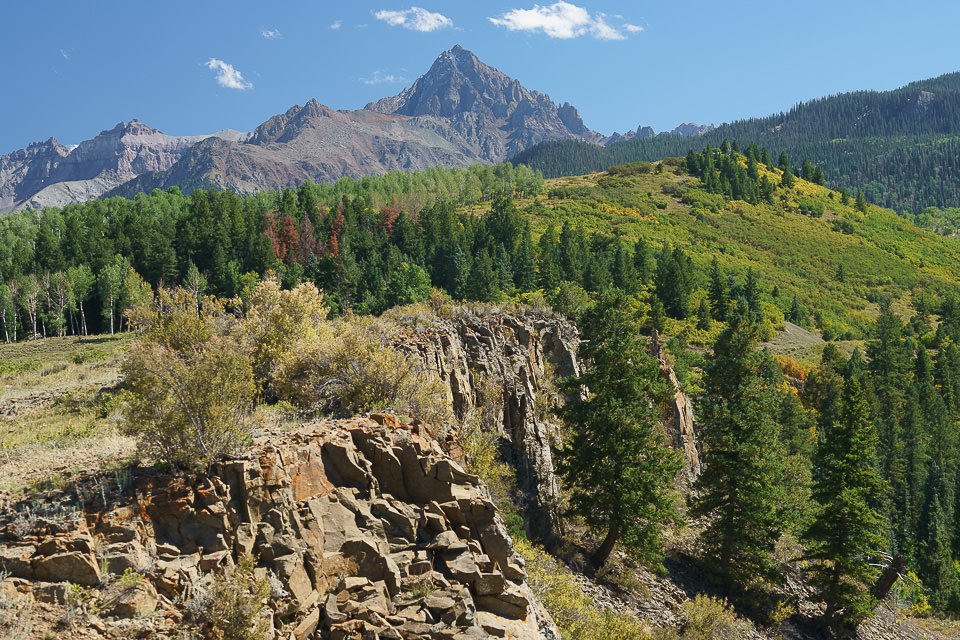
It is very clear that at that place is a dramatic difference between the two images. Both are "as is, direct out of the photographic camera", meaning, I did not apply any mail-processing to them. The "Before" prototype is the one I captured before mounting a circular polarizing filter and the "After" paradigm was captured with a polarizing filter attached and rotated to reduce the reflections in the scene.
Equally you lot can encounter, there are huge differences throughout the image. First, the prototype with the polarizing filter has significantly less brume in the afar mountains. 2d, take a look at the colorful areas of the epitome: the reds and the yellows appear much more saturated. Notation how the evergreens appear completely different, looking greener and lighter in comparing. This is all the effect of reduced reflections in the atmosphere and reduced reflections originating from objects in the scene. Without a polarizing filter, the greens appear "dingy", giving evergreens a much darker and uglier tone.
Lastly, note the difference in the sky – the clouds appear to pop out much more and the sky looks a chip more saturated and darker. This is something you could never replicate in post! The prototype went from "bland and lifeless", to "colorful and natural" past merely using a polarizing filter.
The simply downside here is the gradient heaven introduced by the polarizer (you could tell it was early in the morning time), only with a couple of simple techniques in software, I can address such bug very easily. Just past using a graduated filter tool in Lightroom, forth with a couple of small tweaks, I was able to make my paradigm look even better:
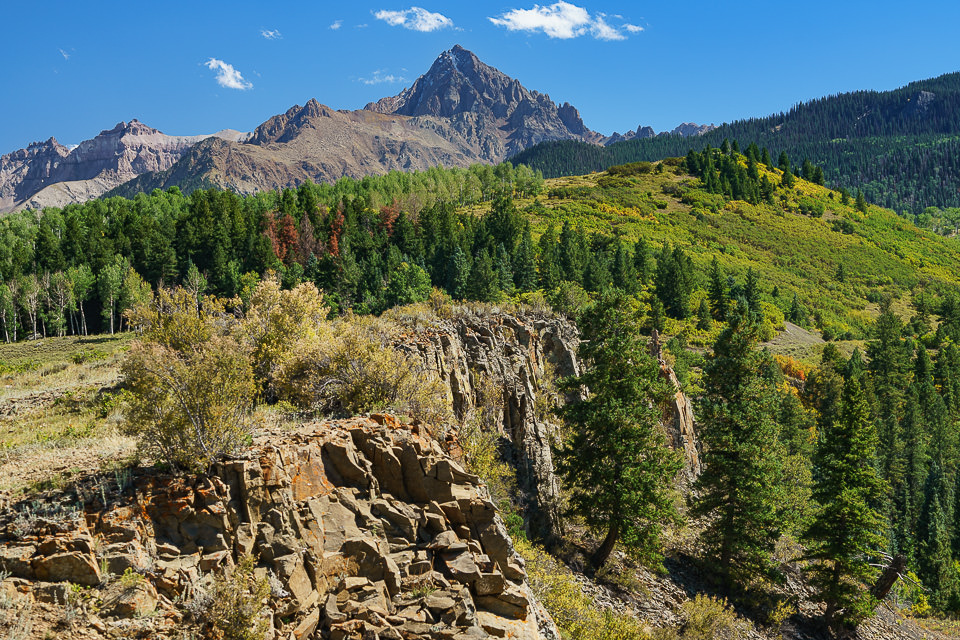
If I had not used a circular polarizing filter, it would take taken me a meaning amount of time to endeavor to replicate these changes in Photoshop and I am adequately confident that the result would non fifty-fifty come close in comparing.
Color Enhancement
The same goes for photographing waterfalls and foliage – a polarizing filter in such cases can exist invaluable. The beneath epitome would have looked vastly dissimilar without a polarizing filter:
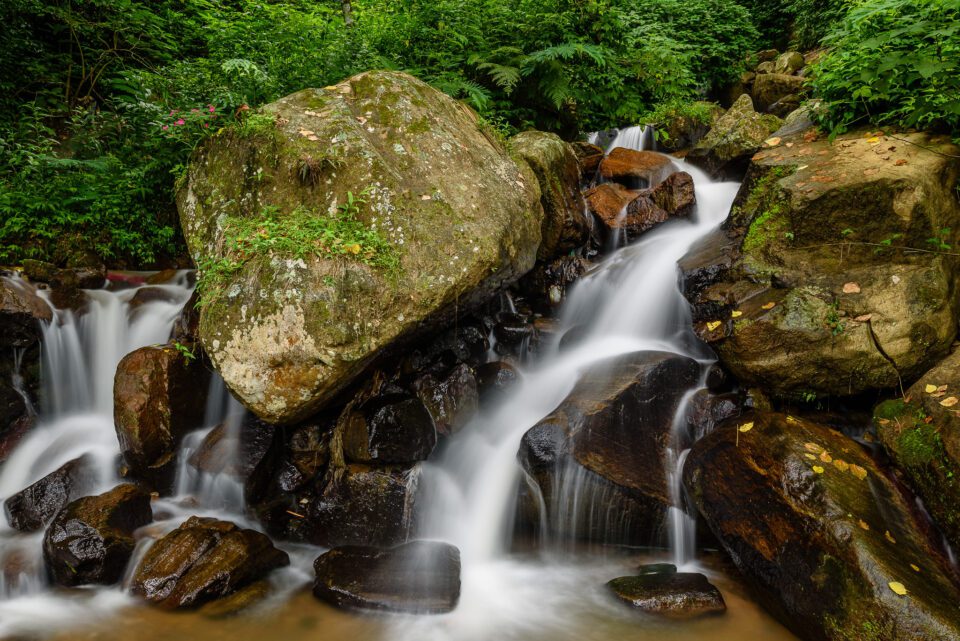
NIKON D750 + 24mm f/ane.4 @ 24mm, ISO 50, 5/1, f/11.0
When photographing waterfalls, yous deal with highly reflective rocks, since they have water and other wet vegetation on them, all of which send nasty reflections right into your photographic camera. A polarizing filter makes a huge difference in such situations, not just significantly cutting down on those reflections, only too increasing the overall saturation and contrast of the image.
Here is another example of fall foliage captured with a polarizing filter:
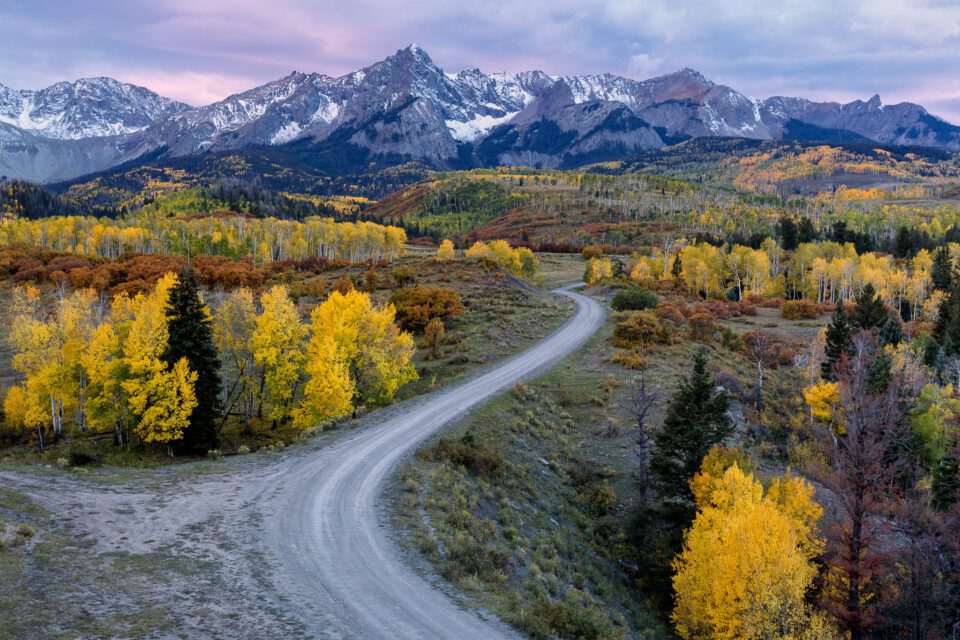
Canon EOS 5D Mark IV + EF24-70mm f/4L IS USM @ 39mm, ISO 200, ane/4, f/8.0
How to Improve Cityscapes with a Polarizing Filter
One of the easiest ways to substantially amend the epitome quality of your daytime cityscapes is to employ a circular polarizing filter. Using a polarizing filter is disquisitional when photographing subjects that are one or more miles away. The longer the altitude, the more critical it is to polarize the calorie-free you are capturing. For example, this image of Dubai skyline was captured from a vantage point that was over a mile away:
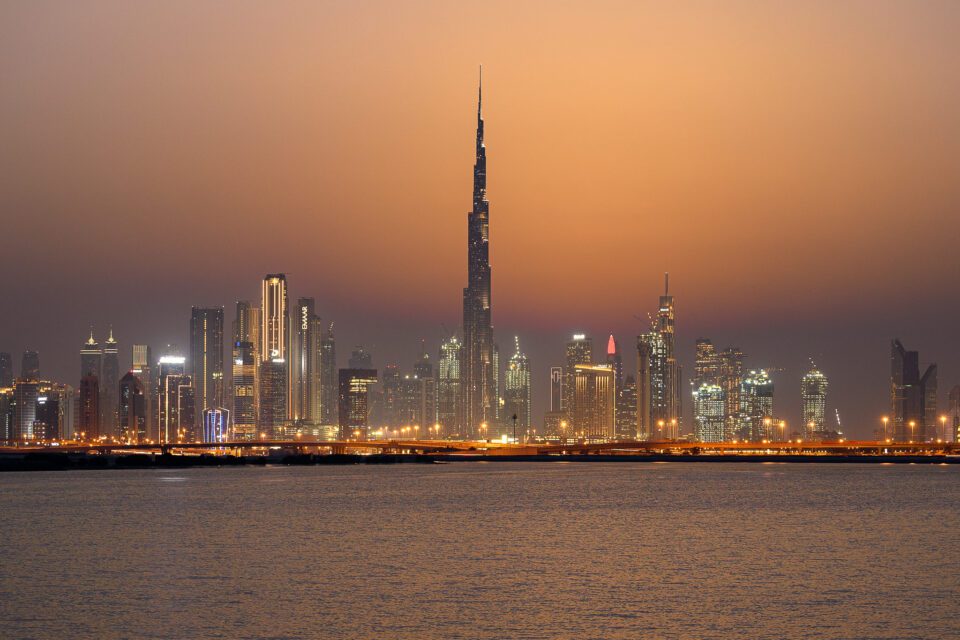
NIKON Z l + NIKKOR Z DX 50-250mm f/four.5-six.3 VR @ 50mm, ISO 100, 2.5 sec, f/five.6
Although in that location is still some haze and softness visible in the epitome (especially when looking at afar buildings), information technology would have been an unusable image without a polarizer. I was able to cut down well-nigh of the fog and haze in this image.
Even if you lot accept buildings that are fairly close, a polarizing filter can help reduce haze and improve the clarity of distant buildings and subjects. Accept a look at the below image of Hagia Sophia:

NIKON Z seven + 85mm f/1.eight S @ 85mm, ISO 64, iv/ten, f/viii.0
As you can run across, Hagia Sophia is relatively close, but the distant hills in the back are quite far, and so they looked quite hazy. By using a polarizing filter, I was able to cut down the haze and improve the contrast of the groundwork.
The only thing you take to sentinel out when photographing cityscapes is flare, especially if you are using a poor-quality polarizing filter, or if the filter is not very clean. When capturing the beneath paradigm of Burj Khalifa, I noticed that I had some flare when using my polarizer.
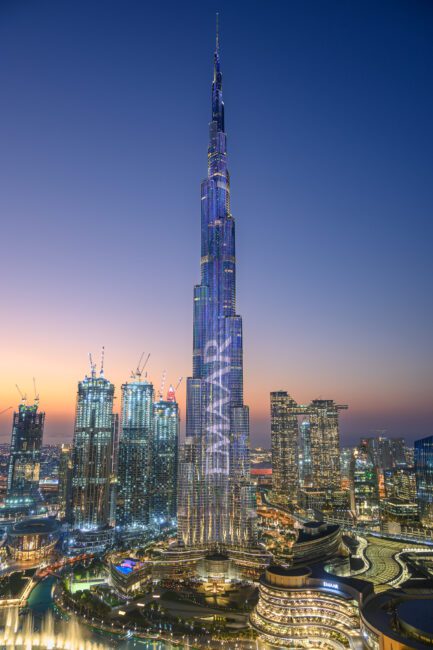
NIKON Z l + 16-50mm f/iii.5-half dozen.3 VR @ 16mm, ISO 100, 2 sec, f/5.6
When I removed it from the lens and looked at information technology, the filter was quite dirty. After cleaning upwards the filter and mounting information technology back on the lens, the flare problems went away.
Some other potential use of a polarizing filter is when yous shoot through the drinking glass of a building or a helicopter. Have a look at the below epitome:

NIKON Z 7 + 85mm f/ane.eight S @ 85mm, ISO 64, 1/25, f/v.half-dozen
I captured this image from the Dubai Frame. Information technology was tough to shoot through the thick glass with all kinds of reflections (they utilize all kinds of LED lights inside), so a polarizing filter was basically a necessity. Once I rotated the filter and cut down most of the reflections, I was able to walk away with some other usable image.
And here is an paradigm of the New York skyline that I was able to capture through a helicopter window:
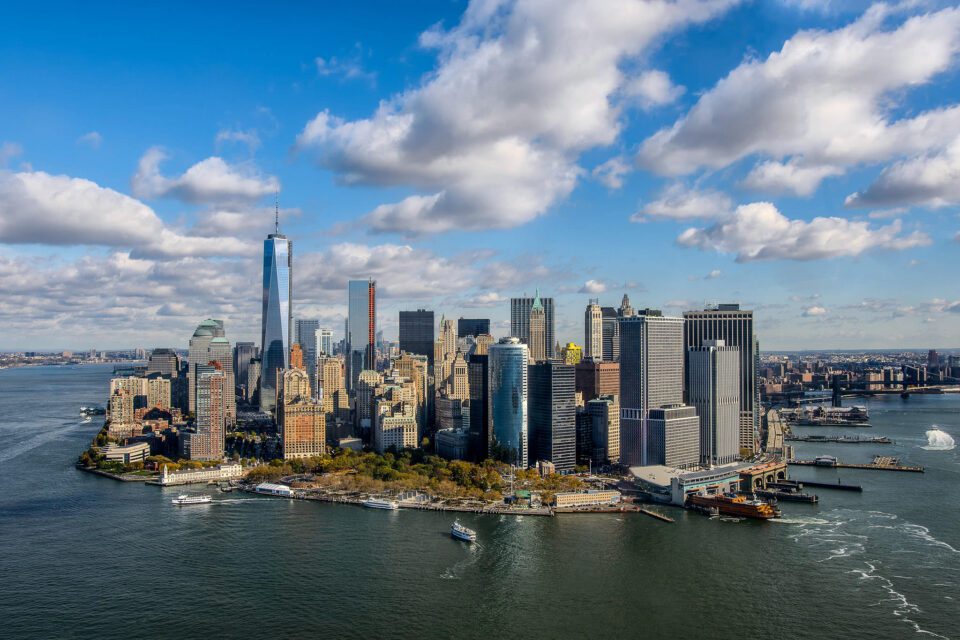
NIKON D800E + 18-35mm f/1.viii @ 20mm, ISO 100, 1/800, f/5.6
Over again, a polarizing filter was necessary to reduce internal reflections and improve the overall contrast of the scene.
Disadvantages
Unfortunately, polarizing filters exercise come with a set up of disadvantages and problems. Here are a few other things you be aware of:
- Polarizing filters tin mess up the sky: as explained earlier in this commodity, using a polarizing filter on a wide-angle lens near sunrise and dusk times can potentially make your sky appear gradient and uneven. The aforementioned goes for panoramas – exist actress conscientious when shooting panoramas, equally you could end upwardly with a heaven that is very hard to set in postal service-processing.
- Polarizing filters require more time to prepare and utilize: when taking pictures with a polarizing filter, one has to pay a scrap more attention to the motion picture-taking process since circular polarizers require aligning each fourth dimension framing changes significantly, as the effect of the polarizing filter varies greatly depending on the position of the dominicus and the management of the camera. Likewise, sometimes it is hard to see changes in the viewfinder when rotating circular polarizing filters, especially when using cameras with smaller viewfinders.
- Polarizing filters steal lite: one of the main disadvantages of polarizing filters is that they reduce the corporeality of light inbound your lens. Some filters are worse than others in this regard, but in general, you can expect polarizing filters to decrease your exposure fourth dimension by ane-iii stops. Highest quality B+W filters typically block very little light between 1-1.five stops, but some older and poor quality polarizing filters can bring your shutter speed down by three+ stops, which is significant. For this reason alone, polarizing filters should be used sparingly, just when they are needed.
- High-quality polarizing filters are expensive: depending on the size of the filter, the quality of glass, multi-resistant coatings and brand, high-quality polarizing filters tin be quite expensive, especially if you desire to purchase a polarizer for each filter size you have. Instead of ownership many different size filters, my recommendation is to buy i filter (selection the largest filter thread size you have) and for all other lenses you lot have, get much cheaper footstep-upwardly rings. This way, you can easily use the same filter on different lenses. It might have more than time to fix in the field, only y'all won't take to pay hundreds of dollars to get CPL filters on all your lenses.
- Polarizing filters tin add more ghosting and flare to images: since it is another piece of glass in forepart of your lens, there is always a potential to run into more ghosting and flare in your photographs, especially when using a inexpensive quality polarizing filter. Additionally, you must always make sure to go along both your lens forepart element and your polarizing filter clean, equally grit particles and other debris could add to more internal reflections, reducing both contrast and image quality of your photographs.
- Polarizing filters tin can add vignetting: when using polarizing filters with some broad-bending lenses, yous might see noticeable vignetting in the corners of the frame. To avoid vignetting bug, we recommend not to stack filters and merely buy "slim" or "nano" blazon polarizing filters, which are much thinner compared to total-size polarizing filters (delight annotation that some thinner filters can go far difficult to use lens caps). Also, I do not recommend using step-downward rings due to the same vignetting concerns.
- Be careful when shooting rainbows: although a polarizing filter can help heave rainbows in your images, if yous are not very careful and you over-rotate it, y'all might finish upward completely eliminating the rainbow in your image! My recommendation would be to use live view, zoom in a little and look at the rainbow as you rotate the polarizing filter – stop when it looks most pronounced.
Recommendations
I personally use and highly recommend the B+W 77mm XS-Pro Kaeseman Circular Polarizing MRC Nano filter, because of its top-notch optics, small footprint and very little light loss of i-i.5 stops, merely there are many other high-quality polarizing filters available on the market today – some cheaper, others more expensive. Please make certain to only purchase high-quality polarizing filters – you do not want to put a cheap piece of glass in front of your expensive lens, merely to be later disappointed by the poor image quality and unwanted ghosting and flare. Bad quality filters are not worth wasting your coin and time on!
Conclusion
Overall, a polarizing filter is a must-have tool in every lensman's bag. I of the challenges of being a lensman is making the best of the light you take available to y'all. Polarizers give you the power to control the lite that comes through your lens, creating vibrant images that might otherwise look dull.
As you can see from this article, a polarizer is not just something that tin can help enhance the color of the sky – it is a much more versatile tool that can reduce reflections and haze, and effectively boost both colors and contrast in your images. A polarizing filter is not something you want to leave on your lenses at all times though since it reduces lite manual and it tin potentially make the sky look unevenly gradient when using broad-bending lenses. Loftier-quality circular polarizing filters can also be rather expensive to buy and can take some time to get used to. Yet, those are minor disadvantages compared to the benefits they bring.

What Do Polarizing Filters Do,
Source: https://photographylife.com/definition/polarizing-filter
Posted by: spraguethicamewyn.blogspot.com
0 Response to "What Do Polarizing Filters Do"
Post a Comment